Homeownership 101: The Basic Home Maintenance Lessons Every Homeowner Should Know
Someone recently asked a question that may sound a little unusual at first: Is there a class where someone can come into your home and teach you the basics of taking care of it?
Honestly, I think this is a wonderful question—and something our industry should talk about more.
When you buy a home, you receive a stack of paperwork, a set of keys, and hopefully a good home inspection. But that does not necessarily mean anyone teaches you how your particular house works. You may leave the closing table without knowing where the main water shutoff is, how to change the furnace filter, what the electrical panel controls, or which maintenance jobs need to be done every year.
That is not a personal failure. These are learned skills, and not everyone grew up with someone who taught them. Even experienced homeowners can move into a house with unfamiliar equipment or features.
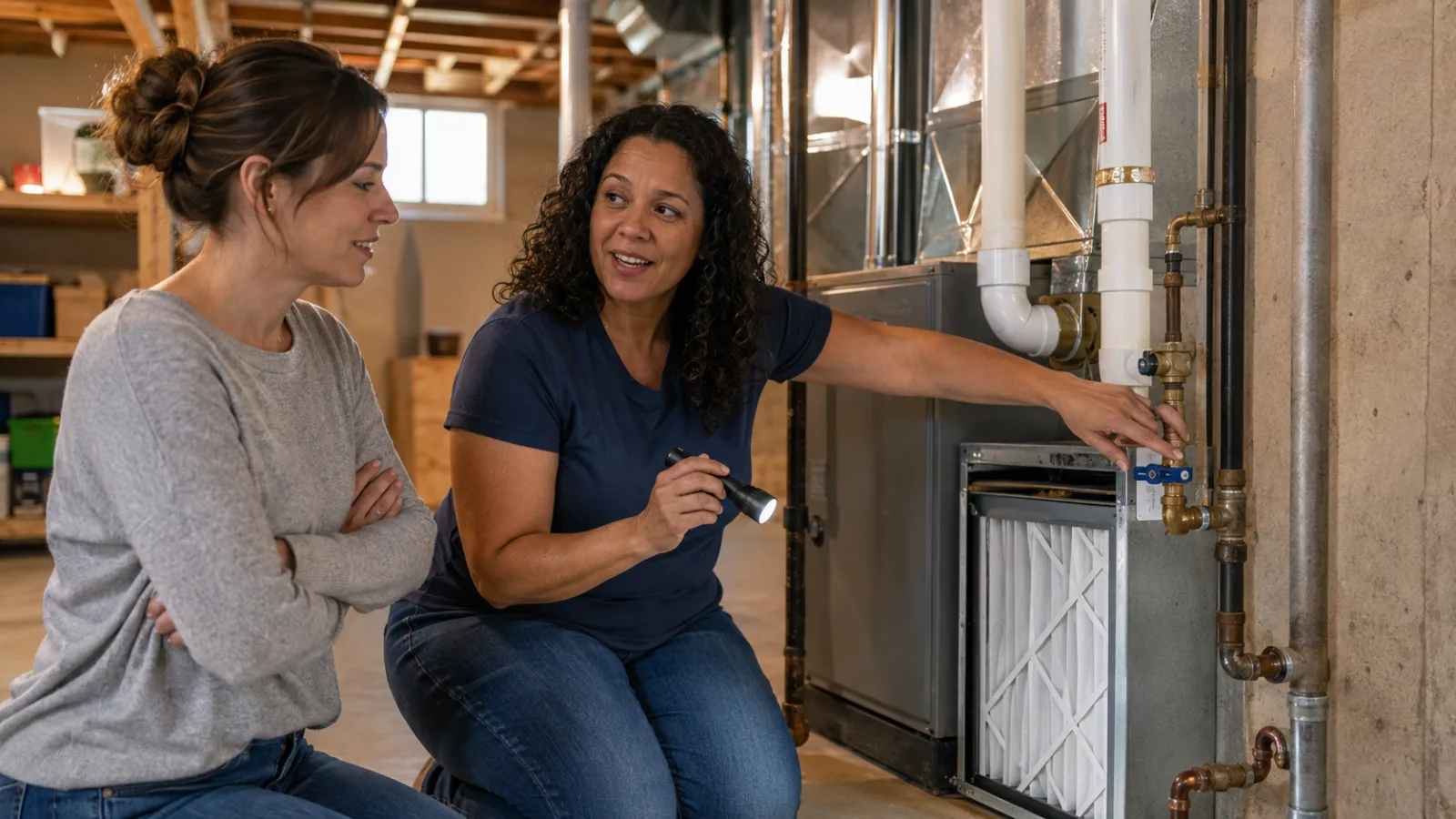
So, does this kind of home-maintenance class exist? Sometimes—but it may not be advertised as a “homeowner class.” Depending on where you live, a home inspector, experienced handyman, HVAC company, plumber, utility provider, community education program, or local hardware store may offer homeowner education or a personalized maintenance walk-through. Some inspectors will also return after closing for an additional consultation, although services vary.
If you want someone to come into your home, look for a qualified professional who is comfortable teaching rather than simply making repairs. Be clear that you want an educational walk-through of your own house. Before hiring anyone, ask what the visit covers, what it costs, and whether the person is licensed or insured when that is appropriate for the work being discussed.
Even if you cannot find a formal class nearby, you can begin by learning the following basics.
1. Know How to Shut Off the Water
Every adult in the household should know where the main water shutoff is and how to operate it. If a pipe bursts, a supply line breaks, or water begins pouring from somewhere it should not, shutting off the water quickly can prevent a small emergency from becoming a major repair.
The main shutoff may be in a basement, crawl space, utility room, garage, or near the point where the water line enters the house. Homes with a private well may have additional controls. You should also locate the individual shutoff valves for toilets, sinks, the washing machine, and other fixtures.
Do not wait until water is spreading across the floor to search for them. Find the valves now, make sure they are accessible, and label them if that would help your family. If a valve is stuck, corroded, leaking, or unfamiliar, have a plumber inspect it rather than forcing it.
2. Learn Your Electrical Panel
You do not need to become an electrician, but you should know where your breaker panel is and how to shut off power to a circuit in an emergency.
Ideally, each breaker should be clearly labeled. Unfortunately, many panels have labels that are missing, faded, or inaccurate. With another person helping, you can carefully identify which breakers control different lights and outlets and create a clear directory. Never remove the panel cover or attempt electrical repairs unless you are qualified to do so.
Also learn the difference between a breaker that has tripped and a larger electrical problem. A breaker that repeatedly trips is trying to tell you something. Continually resetting it without finding the cause is not a repair; it is time to call an electrician.
3. Understand Your HVAC System and Filters
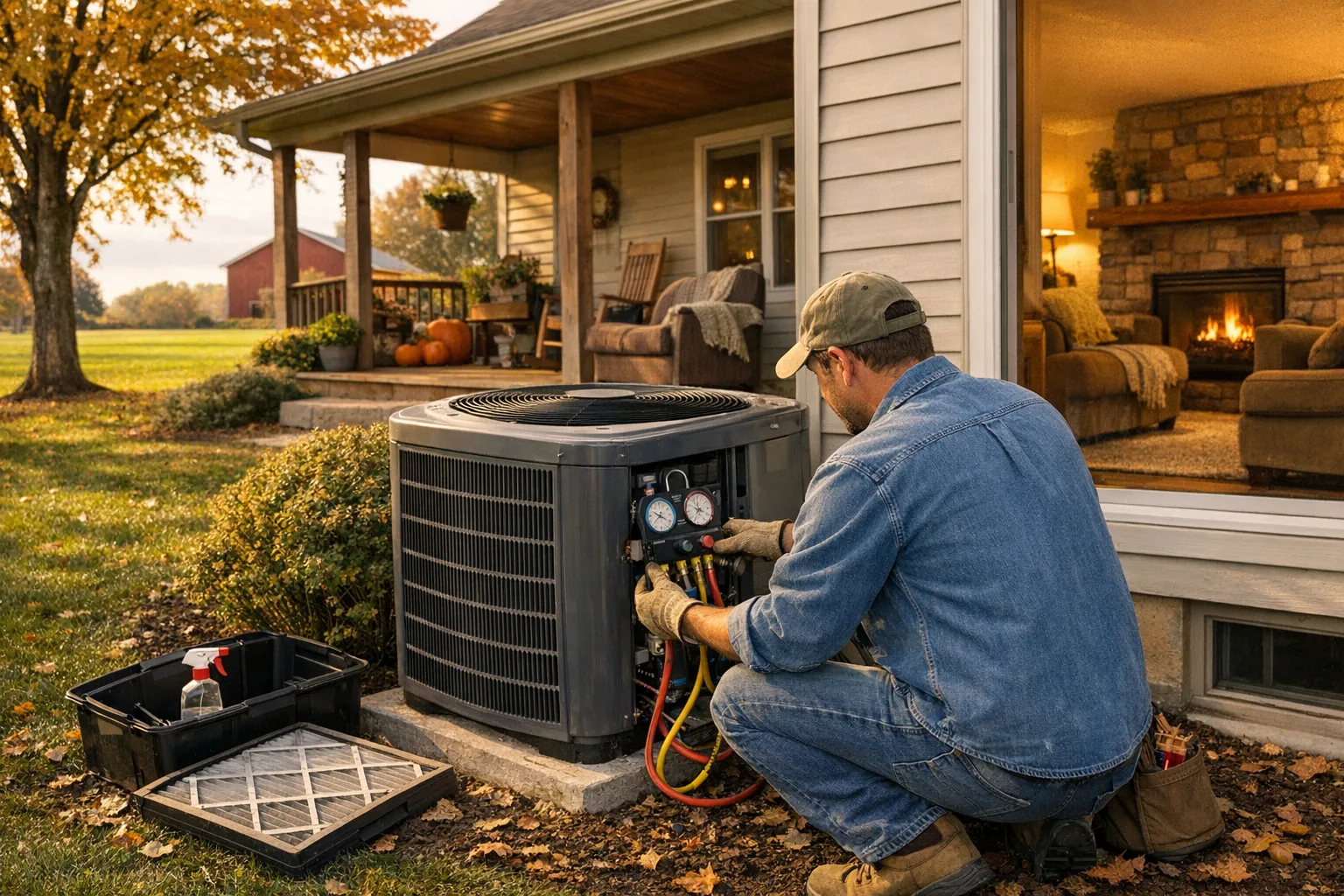
Your heating and cooling equipment is one of the more expensive systems in your home, and a little routine attention can help it operate more efficiently and alert you to problems early.
Start by locating the filter and writing down the correct size. How often it needs to be changed depends on the type of filter, the system, pets, dust, allergies, household activity, and the manufacturer’s instructions. A common starting point is to inspect it every month and replace it when it is dirty. Some filters need monthly replacement, while thicker filters may last longer. Do not assume the most restrictive filter is best; your HVAC system must be able to move air through it.
Keep the area around indoor equipment clear. Outside, keep leaves, weeds, grass clippings, and other debris away from the condenser. Schedule professional maintenance as recommended for your equipment, and learn what normal operation sounds and smells like. Unusual noises, burning smells, weak airflow, water around the unit, or sudden changes in your utility bills deserve attention.
4. Know the Locations of Smoke and Carbon Monoxide Alarms
Test smoke and carbon monoxide alarms regularly according to the manufacturer’s directions. Learn whether each unit uses replaceable batteries, a sealed long-life battery, hardwiring, or a combination. Replace batteries and the alarms themselves according to their instructions rather than waiting for a failure.
If your home uses natural gas, propane, oil, a fireplace, or other fuel-burning equipment, carbon monoxide awareness is especially important. Everyone in the household should recognize an alarm and know to leave the home and call for help rather than searching for the source themselves.
It is also wise to know where fire extinguishers are kept, how to use them, and when getting everyone safely outside is the better choice.
5. Learn How Water Moves Around Your Property
Many expensive home problems begin with water. Walk around your house during or shortly after a good rain. Are the gutters overflowing? Do downspouts move water away from the foundation? Does water collect near the house? Are there wet areas in the basement or crawl space?
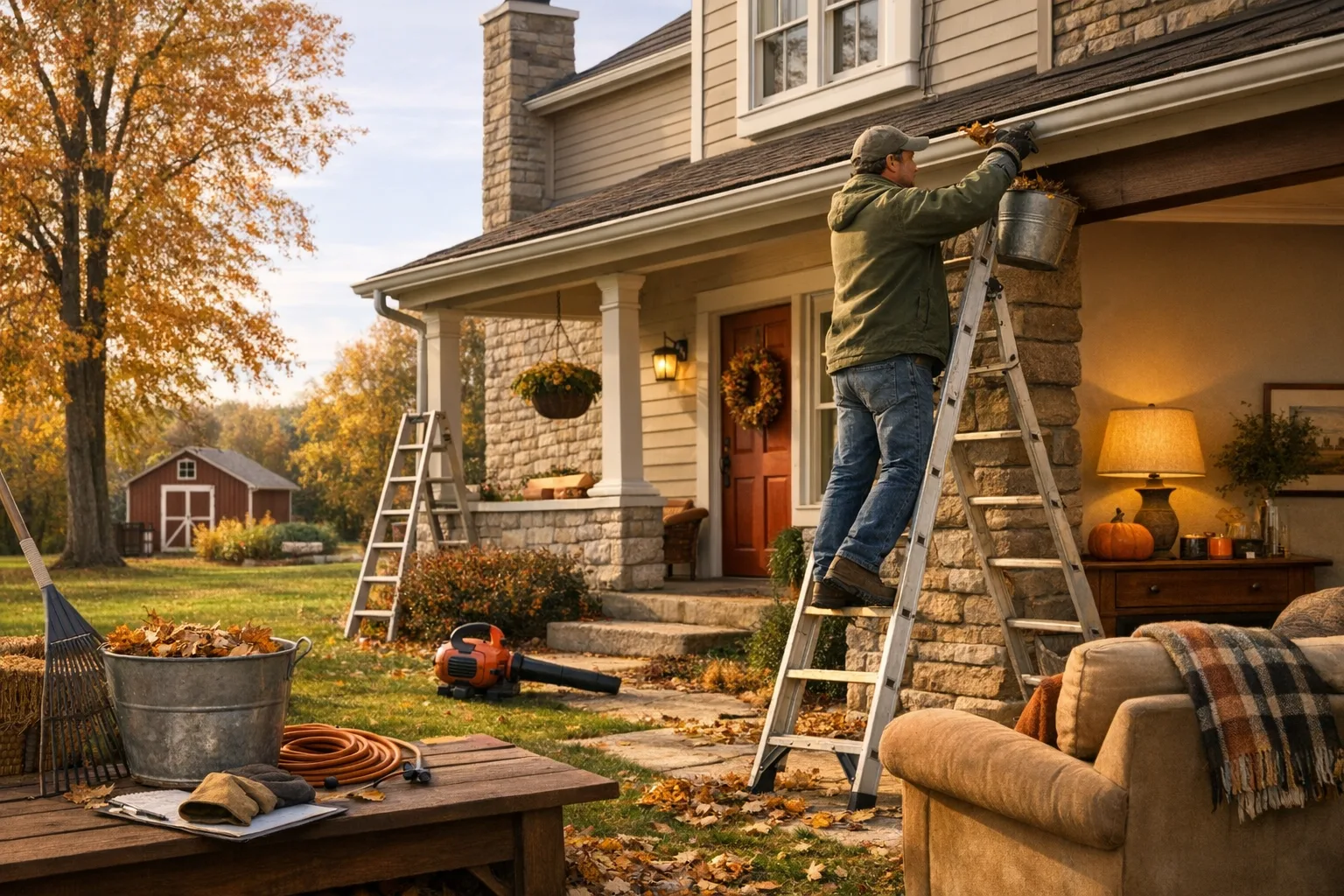
Keep gutters and downspouts clear, and watch for missing shingles, damaged flashing, peeling caulk, plumbing leaks, and soft or stained areas around windows and ceilings. If your home has a sump pump, learn how it works and how to test it safely. If you have a septic system or private well, ask a qualified local professional to explain its care schedule because those systems require their own maintenance.
The goal is not to become afraid of every drip or stain. It is to notice changes early, while they are usually easier to address.
6. Find and Label the Other Important Controls
Every home is different, but your personal homeowner orientation may also include:
The gas or propane shutoff and what to do if you smell gas
The water heater controls and temperature setting
The furnace service switch
The sump pump and backup system
Outdoor faucet shutoffs
Irrigation controls
Well equipment and pressure tank
Septic access and service records
Whole-house water filters or softeners
Attic and crawl-space access
Garage door emergency release
You do not need to adjust or repair all of these things yourself. In some cases, you absolutely should not. You simply need to know what you have, where it is, and who to call when something goes wrong.
7. Create a Simple Home Maintenance Record
A three-ring binder, folder, or digital file can save a great deal of frustration. Keep inspection reports, receipts, warranties, paint colors, appliance model numbers, contractor information, and dates of major repairs in one place.
Create a short seasonal checklist for recurring jobs such as checking filters, cleaning gutters, inspecting caulk, servicing HVAC equipment, disconnecting hoses before freezing weather, and checking for leaks. The exact schedule should be based on your home, its equipment, and manufacturer recommendations—not a generic list copied from the internet.
It can also help to place discreet labels near important shutoffs and take photos for quick reference. Make sure another trusted adult knows where the information is stored.
A Home Inspection Is Helpful, but It Is Not the Same as a Class
A home inspection can teach you quite a bit, especially if you attend and ask questions. The inspector evaluates visible and accessible components and points out defects or safety concerns. However, an inspection is not a guarantee, an instruction manual, or a complete lesson on every system in the house.
That is why I encourage buyers to be present for the inspection whenever possible and to ask practical questions: Where is the main water shutoff? Where is the furnace filter? What maintenance will this system need? Which items are urgent, and which ones should simply be monitored?
After you move in, you may still benefit from having the appropriate professionals explain equipment that is specific to the property.
There Is No Shame in Not Knowing
Homeownership comes with a learning curve. No one arrives at the closing table automatically knowing how to maintain a furnace, recognize a plumbing problem, care for a septic system, or prepare a house for a Missouri winter.
I would much rather have someone ask a “basic” question before an emergency than stay quiet because they are embarrassed. Asking how your house works is responsible homeownership.
If you are buying a home, begin making your own homeowner orientation list during the inspection and final walk-through. If you already own your home, choose one area at a time. Find the shutoffs. Label the breaker panel. Record the filter size. Start a maintenance folder. You do not have to learn everything in one afternoon.
A home is one of the largest investments most people will ever make. We spend a great deal of time teaching people how to buy one. It makes sense that we should also help people learn how to care for it once it is theirs.
This article provides general homeowner education. Follow the instructions for your specific equipment and use properly qualified professionals for inspections, service, and repairs.