
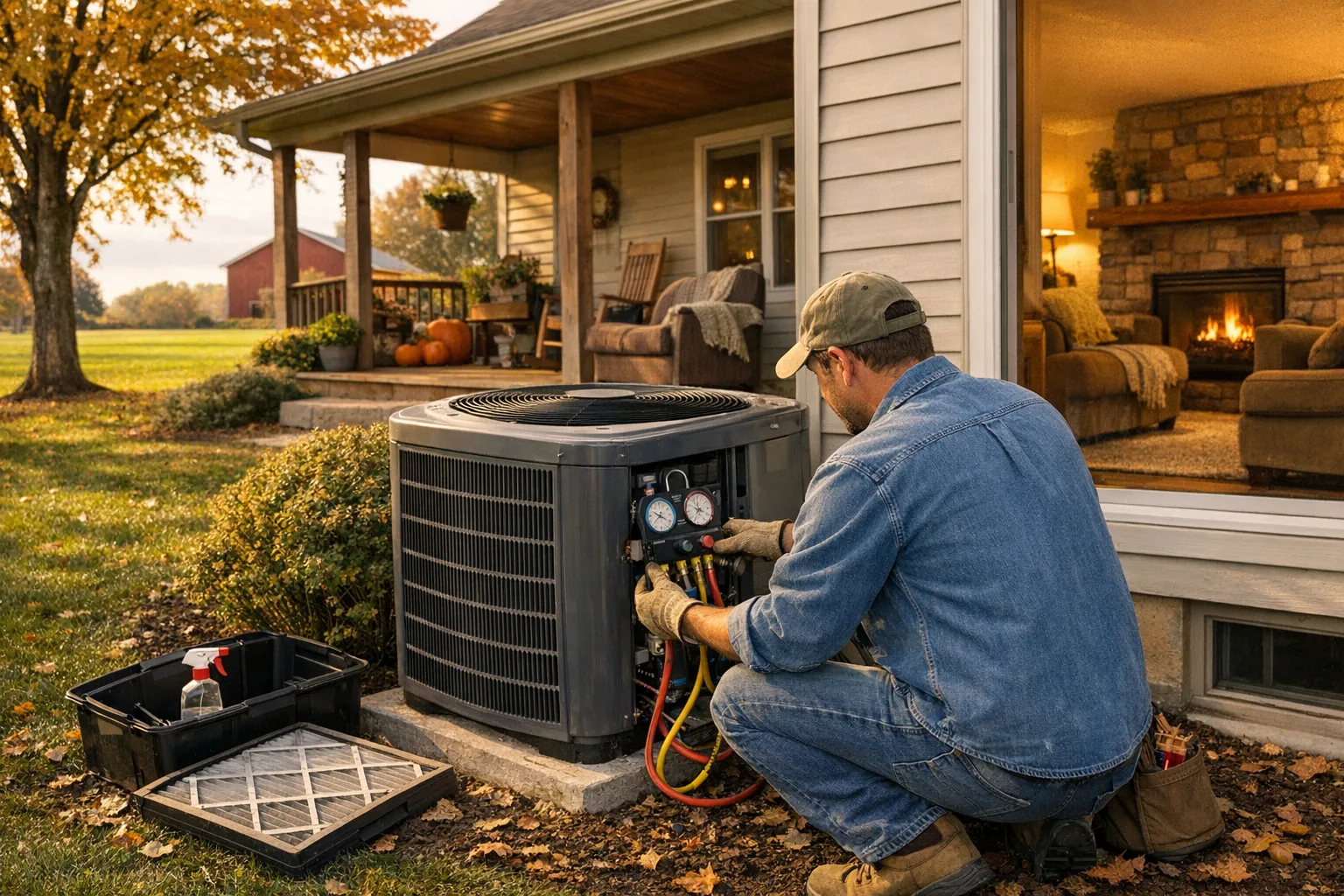
When your heat or air stops working in the middle of a Missouri cold snap or a stretch of July humidity, it gets miserable fast. Your HVAC system does a lot of heavy lifting in a home, and a little steady attention through the year can help it run better, last longer, and avoid some of those expensive surprise calls.
As a homeowner, I know most of us don’t need one more complicated maintenance routine. The good news is that HVAC care really comes down to a few simple habits, plus knowing when it’s time to call a licensed professional.
Why year-round HVAC maintenance matters
In the eastern Kansas City area, our systems don’t get much of a break. We ask our air conditioners to handle heat and humidity in summer, then turn right around and expect our furnaces or heat pumps to keep us comfortable through freezing temperatures, wind, and ice.
When a system is neglected, a few things usually happen:
Airflow drops, which makes the system work harder
Utility bills can creep up
Small issues turn into bigger repairs
Indoor comfort becomes less consistent from room to room
Dust, allergens, and humidity problems may get worse
Regular maintenance won’t prevent every repair, but it can help you catch problems earlier and protect one of the more expensive systems in your home. If you ever sell, a well-maintained HVAC system can also reassure buyers that the home has been cared for.
The most important HVAC task for most homeowners
If you only do one thing consistently, make it this: check and replace your air filter on schedule.
Your filter helps catch dust, pet hair, and other particles before they move through your system. When it gets clogged, airflow is restricted. That can make your furnace or air conditioner run longer than it should, put extra strain on parts, and leave your house feeling less comfortable.
A good rule of thumb is to check it monthly and replace it as needed based on the filter type, whether you have pets, how much dust is in the home, and how often the system runs.
You may need more frequent changes if:
You have multiple pets
Someone in the home has allergies or asthma
You’re doing renovations or projects that create dust
Your system runs heavily during extreme weather
Be sure to use the correct filter size and follow your HVAC manufacturer’s recommendations. A filter that’s too restrictive for your system isn’t always better.
Keep the outdoor unit clear and breathing
If you have central air, your outdoor condenser unit needs room to circulate air properly. In our area, it doesn’t take long for grass clippings, leaves, weeds, and storm debris to build up around it.
A few simple habits help:
Keep plants and overgrowth trimmed back
Remove leaves, sticks, and debris from around the unit
Avoid stacking items against it
Be careful when mowing or weed eating nearby
You can gently clear visible debris from the exterior, but for anything involving opening equipment or deeper cleaning, it’s smart to have an HVAC professional handle it.
Don’t ignore your vents and registers
This is one of those small things that’s easy to overlook. Walk through your house every so often and make sure supply vents and return vents aren’t blocked by furniture, rugs, curtains, or storage.
Your HVAC system was designed to move air through the home in a certain way. Blocking vents can make rooms feel stuffy or uneven and may add unnecessary strain to the system.
It’s also worth dusting vent covers now and then. It won’t solve every indoor air issue, but it does help reduce some buildup.
What to do in spring before cooling season starts
Before summer arrives, this is a good time to make sure your air conditioning side is ready.
Spring HVAC checklist
Replace or check the air filter
Clear winter debris from the outdoor unit
Make sure vents and returns inside are open and unobstructed
Test the air conditioning before the first truly hot week
Listen for unusual sounds and notice any weak airflow or warm air coming from vents
Schedule professional service if the system seems off or hasn’t been inspected in a while
Testing early matters. It’s much easier to address an issue in spring than during the first major heat wave, when service companies are often booked solid.
What to watch during hot, humid Missouri summers
Summer in the Kansas City area can put real strain on an HVAC system. Heat is one thing, but humidity adds another layer. If your home feels clammy even when the air conditioner is running, that can be a sign something needs attention.
During summer, keep an eye out for:
Rooms that are much warmer than the rest of the house
Higher-than-usual humidity indoors
The system running constantly without keeping up
Sudden increases in utility bills
Water or moisture where it shouldn’t be
You don’t want to ignore those signs. Sometimes the fix is fairly minor, but waiting can make the problem worse.
Fall is the time to prep for heating season
Once temperatures start cooling off, turn your attention to the heating side of the system.
Fall HVAC checklist
Replace the air filter
Test the heat before you really need it
Test smoke and carbon monoxide alarms according to their manufacturers’ instructions
Pay attention to new smells, odd noises, or weak airflow
Consider a professional furnace tune-up before winter
If you smell gas or suspect a gas leak, leave immediately without operating switches or the thermostat. Call 911 or your gas utility from a safe location. If a carbon monoxide alarm sounds, get everyone outside immediately and call 911. Do not re-enter until responders say it is safe. See Spire’s gas emergency guidance and CPSC’s carbon monoxide alarm guidance.
Winter habits that help your system keep up
In winter, your system may run a lot during cold stretches, especially when temperatures drop quickly or wind chills are severe.
A few good habits during the colder months:
Keep up with filter checks
Make sure interior vents stay open and clear
Watch for drafts that make the system work harder
Pay attention to rooms that suddenly feel much colder than usual
Don’t ignore short cycling, which is when the system turns on and off too often
If you use a heat pump, backup heat, or supplemental heating source, it’s especially important to understand your system and have it serviced when needed.
Should you get professional HVAC service every year?
For most homeowners, yearly professional maintenance is a wise idea. Many people schedule service once in spring for cooling and once in fall for heating, especially if the system is older or sees heavy use.
A licensed HVAC technician can inspect components, test performance, clean certain parts properly, and spot wear before it becomes a bigger problem. That’s not the same thing as a homeowner changing a filter or clearing leaves, and both types of maintenance matter.
If you’re not sure what has been done recently, it can help to start a simple home maintenance folder with service dates, filter sizes, and notes about repairs.
HVAC issues that deserve quick attention
Some problems shouldn’t wait.
Reach out to a licensed HVAC professional if you notice:
Persistent unusual odors after an emergency has been ruled out
Little to no airflow
Warm air when the AC should be cooling, or cool air when the heat should be warming
Leaks, pooling water, or ice where it shouldn’t be
Loud banging, grinding, or screeching sounds
Frequent cycling on and off
A system that won’t turn on at all
Those symptoms can point to anything from a simple fix to a larger repair, but either way, it’s better to address them promptly.
A well-maintained HVAC system helps the whole house
HVAC maintenance isn’t just about comfort. It affects how your home feels, how efficiently it runs, and how well major systems hold up over time. Buyers notice when a house feels comfortable and cared for, and service records can be a helpful detail if you sell down the road.
If you’re trying to stay on top of homeownership without overcomplicating it, this is one area worth keeping simple and consistent: change filters, keep the system clear, pay attention to warning signs, and bring in a trusted professional when needed.
If you’re wondering how your home might be valued in today’s market, or you have real estate questions about buying, selling, or preparing your home, I’d be glad to help. Request a home valuation, or browse my basic home maintenance guide for other routine tasks.