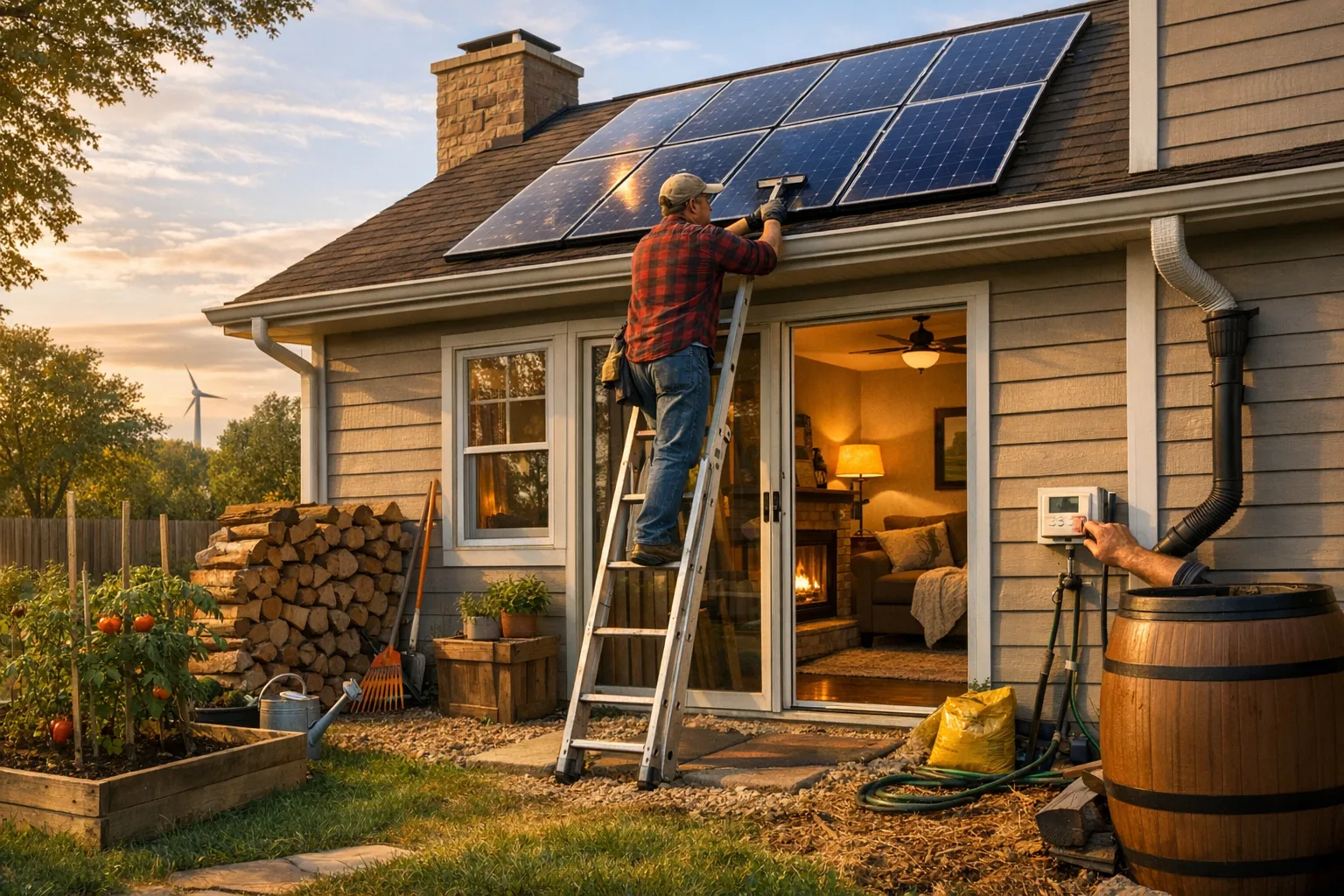
Energy-saving tips to lower your utility bills can make a real difference for homeowners across Blue Springs, Lee’s Summit, Grain Valley, and the surrounding eastern Kansas City metro. As a homeowner myself out here in rural Johnson County, Missouri, I know how quickly heating and cooling costs can add up through our humid summers, cold winters, and those in-between seasons when the weather seems to change by the hour.
I’m a big believer that caring for a home well doesn’t have to mean fancy upgrades or a huge budget. Often, the most helpful changes are simple, steady habits that make your home more comfortable, help your systems work less hard, and support the long-term condition of the property. Whether you live in town or on acreage, these practical steps can help you use energy more wisely and keep utility bills a little more manageable.
Energy-Saving Tips to Lower Your Utility Bills Start With Air Leaks
One of the biggest energy wasters in many homes is air leakage. That simply means outside air sneaks in, and conditioned air slips out through small gaps around the home. If your house feels drafty in winter or hard to keep cool in July, this is a great place to begin.
Check the usual trouble spots
Walk through your home and look closely at:
Exterior doors
Windows and window locks
Attic access points
Baseboards along exterior walls
Areas around plumbing or cable openings
Garage entry doors
If you notice drafts, worn weatherstripping, or visible gaps, sealing those areas may help your HVAC system not run quite so often. HVAC stands for heating, ventilation, and air conditioning — basically the system that heats and cools your home.
A simple homeowner checklist
Replace worn weatherstripping around doors
Add or refresh door sweeps where needed
Caulk small gaps around window trim if appropriate
Check that windows latch properly
Make sure attic access closes snugly
For larger gaps, insulation concerns, or anything involving hidden moisture or structural issues, consult a qualified professional. Do not seal combustion-air openings, exhaust vents, or drainage openings. A home energy assessment can help prioritize work safely.
Give Your HVAC System a Helping Hand
In the Midwest, our heating and cooling systems work hard almost all year. Keeping them maintained is one of the kindest things you can do for both your utility bill and your home.
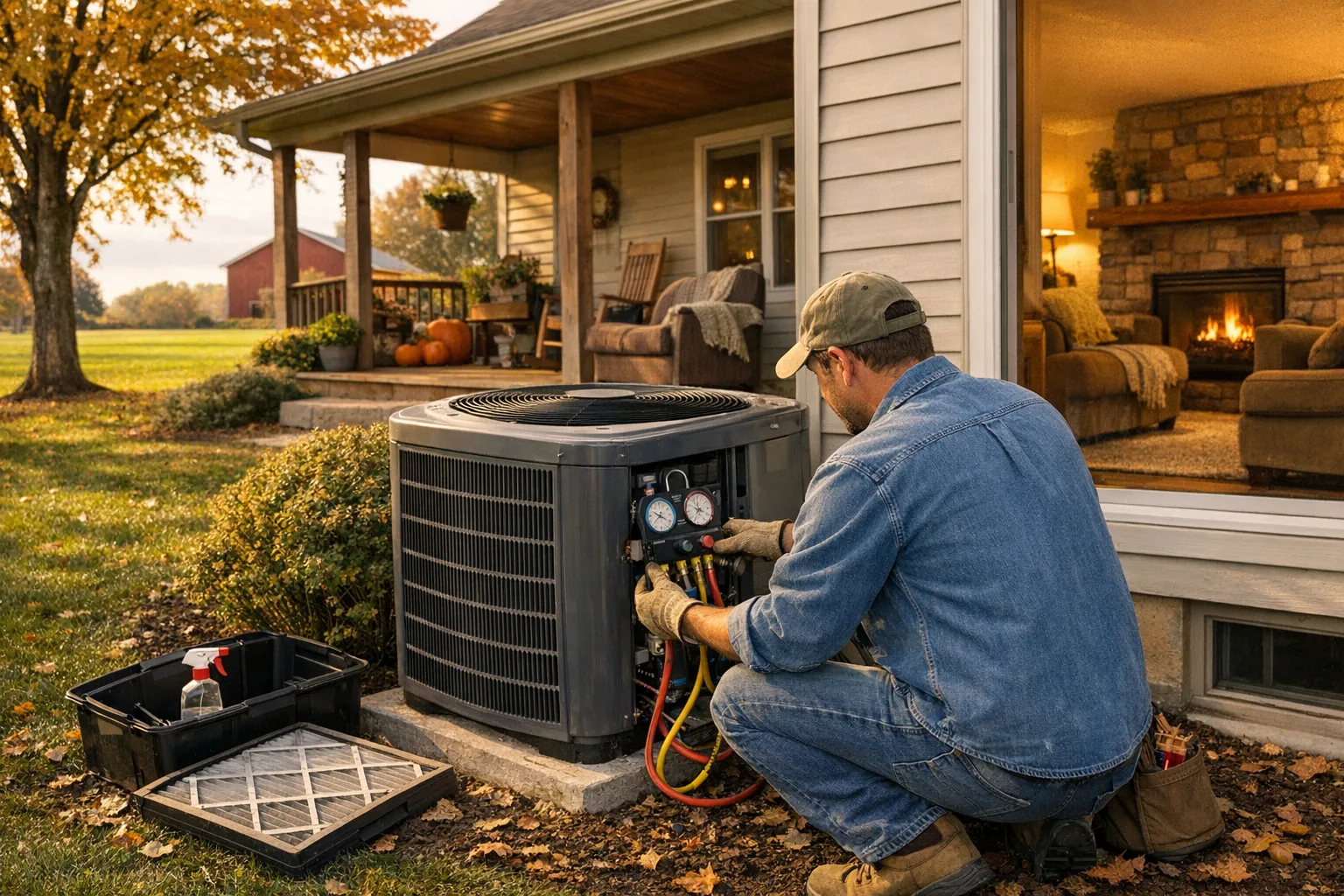
Change filters regularly
A dirty air filter can restrict airflow and make your system work harder than necessary. Check your filter on a regular schedule and replace it based on the manufacturer’s recommendation, your household needs, and whether you have pets, dust, or allergy concerns.
Keep vents clear
Make sure furniture, rugs, and curtains are not blocking supply or return vents. Good airflow helps your system heat and cool more evenly.
Schedule seasonal servicing
Having your furnace checked before winter and your cooling system inspected before summer can help catch small issues early. That may help with efficiency, comfort, and preventing avoidable wear.
If you live on a rural property like I do, don’t forget to keep the area around any outdoor unit clear of overgrowth, leaves, and debris.
Use Your Thermostat Wisely
You don’t have to make your home uncomfortable to be energy-conscious. Even small thermostat adjustments can add up over time.
Practical thermostat habits
Raise the temperature a bit when you’re away in summer
Lower it a bit when you’re away or sleeping in winter
Use settings appropriate for your equipment and household’s comfort and safety needs
Use a programmable or smart thermostat if that fits your household
For busy families, especially here in communities like Independence, Oak Grove, and Pleasant Hill, a programmable thermostat can be a very practical tool. It helps your home stay comfortable when you need it and avoid unnecessary heating or cooling when you don’t.
Heat pumps need special consideration: a setback that triggers backup electric-resistance heat can increase energy use. Follow your equipment guidance and ask your HVAC technician about a compatible thermostat and schedule. The Department of Energy’s Energy Saver guide explains this exception.
Don’t Overlook Insulation
Insulation is what helps slow the movement of heat in and out of your home. If a home is under-insulated, it may lose warmth quickly in winter and gain heat quickly in summer.
Areas that often matter most
Attics
Crawl spaces
Basements
Exterior walls
Rim joists and other transition areas
Many homeowners in older parts of Blue Springs, Raytown, or smaller rural towns across Jackson, Johnson, and Lafayette Counties find that insulation upgrades can improve comfort noticeably. If some rooms are always hotter or colder than others, insulation may be part of the story.
Because insulation work can vary widely by home type, I always recommend getting guidance from a qualified local professional before taking on a major project.
Cut Everyday Energy Waste Inside the House
Sometimes lower utility bills come from paying attention to the small things we do every day.
Lighting and appliances
A few easy habits include:
Switch to LED bulbs where you still have older bulbs
Turn off lights in unused rooms
Unplug seldom-used electronics or use smart power strips
Run full loads in the dishwasher and washing machine
Wash clothes in cold water when appropriate
Use the dryer efficiently and clean the lint screen each load
These may sound simple, but simple changes are often the easiest ones to stick with.
Water heating matters too
Hot water use affects energy bills more than many homeowners realize. To cut back a bit:
Fix dripping faucets
Use lower-flow showerheads if that fits your needs
Use appropriate water-saving cycles and avoid running hot water unnecessarily
Insulate an older water heater or hot water lines if a professional recommends it
If your water heater is aging, leaking, or showing signs of wear, it’s worth having it evaluated. A well-maintained system supports comfort and may help prevent bigger home headaches down the road.
Use Window Coverings for Missouri’s Seasons
Our Missouri weather can be intense, and your curtains, blinds, and shades can actually help more than you might think.
In summer
Keep blinds or curtains closed during the hottest part of the day, especially on windows with strong afternoon sun. That can help reduce indoor heat gain.
In winter
Open coverings during sunny parts of the day to let in natural warmth, then close them after dark to help hold heat inside.
This is one of those low-cost, no-fuss habits that works especially well during our eastern Kansas City temperature swings.
Don’t Forget the Exterior of the Home
Energy efficiency isn’t only about what happens inside. The outside of your property affects comfort too.
Shade and sun exposure
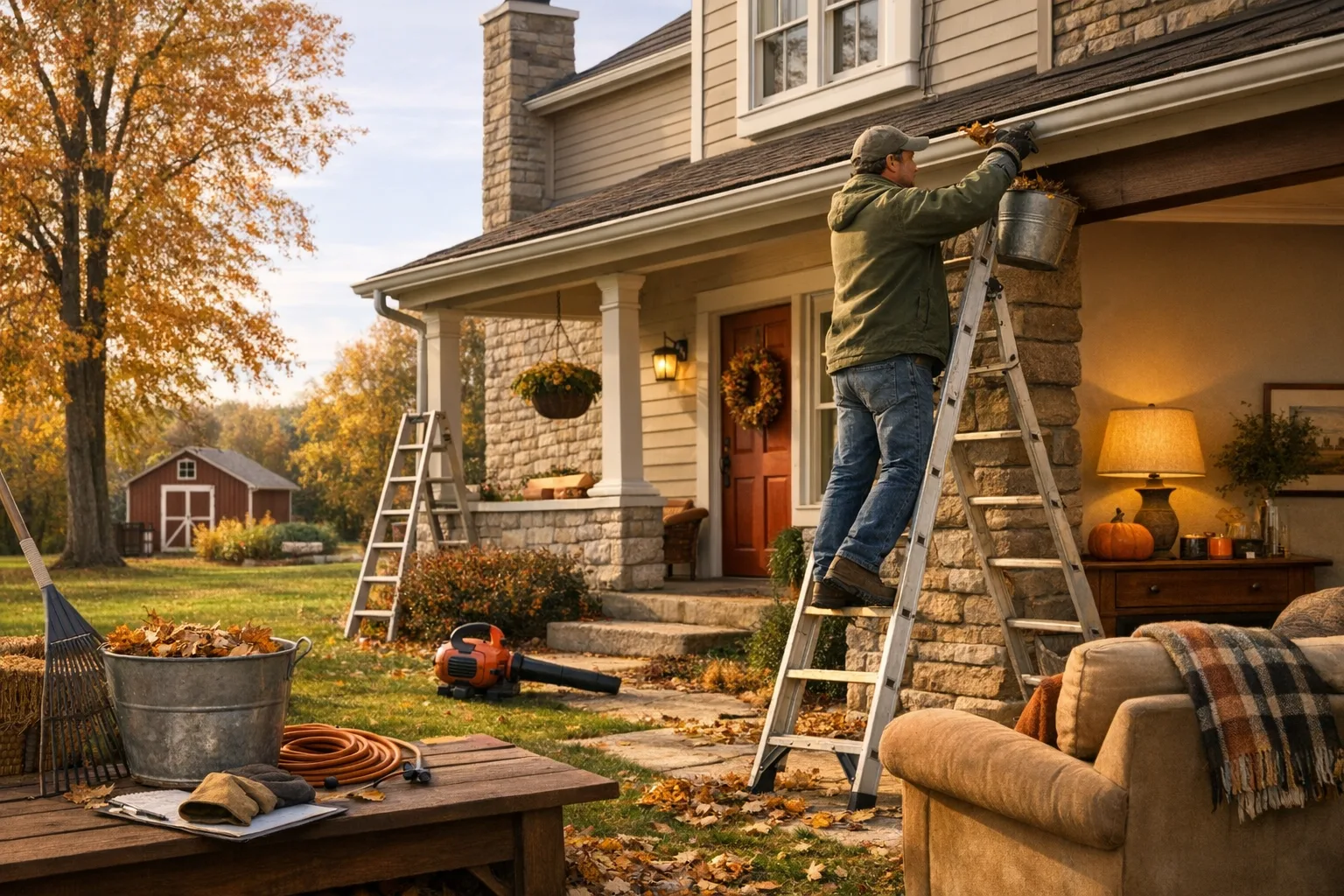
Trees, landscaping, and even porch covers can influence how much direct heat your home takes on in summer. Healthy shade trees can be a real blessing in July and August.
That said, trees should also be maintained thoughtfully, especially near roofs, siding, and power lines. Storm season in Missouri is no joke, so if limbs look risky or overgrown, it’s best to call a qualified tree professional.
Garage and outbuildings
For homeowners with detached garages, shops, or hobby farm buildings, energy use can creep up there too. Check:
Gaps around doors
Old or damaged seals
Lighting left on unnecessarily
Heating or cooling being used inefficiently
On larger properties, these little leaks and habits can quietly add to monthly costs.
Know Which Upgrades May Appeal to Future Buyers
While I never encourage homeowners to improve a property only for resale, energy-conscious updates can be attractive when it is time to sell. Buyers in places like Lee’s Summit, Blue Springs, and across the eastern KC metro often appreciate homes that feel comfortable, well cared for, and cost-efficient to operate.
Features that may stand out include:
Updated windows
Added insulation
A well-maintained HVAC system
Sealed doors and windows
Smart thermostats
Energy-efficient lighting
These improvements can also show that a homeowner has been attentive to regular upkeep, and that matters. If you’re thinking ahead about what buyers may notice, my Sellers page is a helpful place to start.
A Simple Seasonal Energy Check for Midwest Homeowners
Here’s a practical checklist you can revisit through the year:
Spring and summer
Service your cooling system
Replace air filters
Seal obvious leaks around doors and windows
Close curtains against strong afternoon sun
Clear debris from outdoor units
Check attic areas for heat buildup concerns
Fall and winter
Have your heating system inspected
Check weatherstripping and door sweeps
Reverse ceiling fans if recommended by the manufacturer
Open curtains for daytime sun
Close coverings at night
Watch for drafts around older windows and doors
Start Small and Stay Consistent
If all of this feels like a lot, I’d encourage you not to do everything at once. Start with the simplest steps: replace filters, seal drafts, adjust thermostat settings, and pay attention to daily habits. Those small actions can build on each other over time.
I’ve learned as a mom, homeowner, and REALTOR® that home care is usually less about perfection and more about steady faithfulness in the little things. A well-loved home tends to show it.
If you’re wondering which updates may make sense before selling, or if you’d like a free home valuation anywhere in Blue Springs, Grain Valley, Lee’s Summit, or the surrounding eastern Kansas City metro, I’d love to help. You can learn more on my Sellers and Contact pages, or simply reach out with your real estate questions anytime.
Energy savings vary with your home, equipment, weather, utility rates, and habits. Compare energy use as well as bill totals before deciding whether an upgrade is paying off.