Winter Home Maintenance Checklist for Missouri Homes
Winter home maintenance in Missouri is less about starting big projects and more about prevention, observation, and responding quickly when something changes.
Our temperatures can swing dramatically. We may have a mild afternoon followed by a hard freeze, or snow and ice that begin melting almost as soon as they arrive. Those freeze-and-thaw cycles can be tough on roofs, gutters, plumbing, walkways, and foundations.
A simple winter routine can help you catch problems before they cause major damage. Here is what homeowners throughout the eastern Kansas City metro should keep on their radar during the coldest part of the year.
Protect Pipes During Cold Weather
Frozen pipes are one of the most disruptive winter problems a homeowner can face.
Pipes are especially vulnerable in garages, crawl spaces, exterior walls, cabinets, barns, and unheated utility areas. Before an extreme cold snap, make sure these spaces are reasonably protected.
Helpful precautions include:
keeping garage doors closed when plumbing is nearby
maintaining a safe indoor temperature
opening cabinet doors beneath sinks on exterior walls when needed
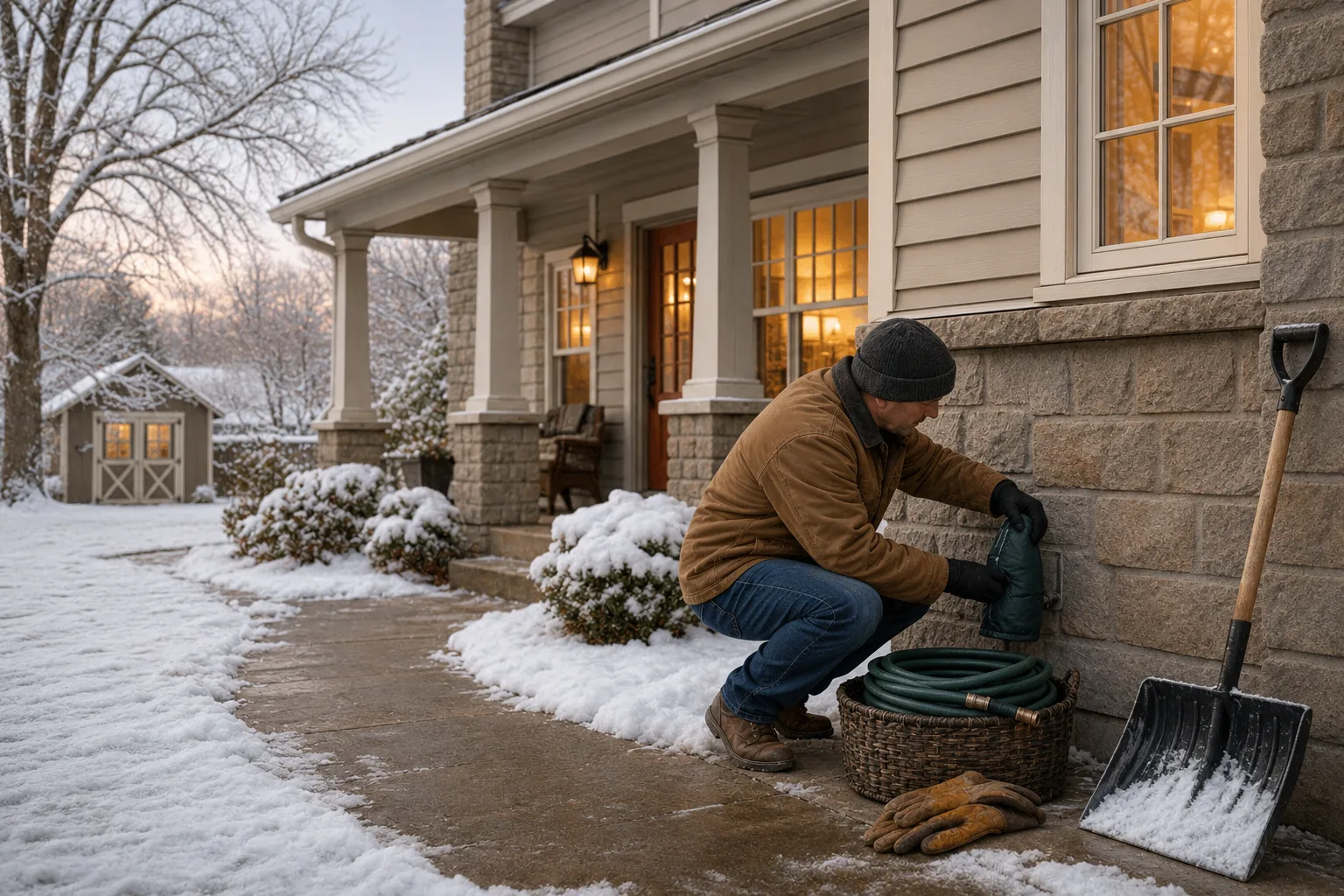
disconnecting outdoor hoses
checking that exterior faucets are protected
insulating exposed pipes in vulnerable areas
sealing obvious openings that allow cold air to reach plumbing
Know where your home’s main water shutoff is located and make sure other responsible family members know too.
If you turn on a faucet and only a trickle comes out during freezing weather, a pipe may be frozen. Do not use an open flame to thaw it. Contact a licensed plumber if you are unsure how to respond safely.
Pay Attention to the Heating System
Your heating system may run for long stretches during Missouri cold snaps. Listen and watch for changes in how it performs.
Replace filters as recommended and keep vents free from furniture, toys, curtains, and rugs.
Call an HVAC professional if you notice:
unusual banging, grinding, or squealing
weak airflow
frequent cycling
rooms that will not warm properly
unfamiliar odors
a sudden increase in energy use
a carbon monoxide alarm
Some odor may occur when a heating system is first used for the season, but persistent burning or gas-like smells should never be ignored. Leave the home and contact the appropriate utility or emergency service if you suspect a gas leak or immediate danger.
Test Smoke and Carbon Monoxide Detectors
Homes are closed up tightly during winter, and heating equipment, fireplaces, generators, and attached garages can increase carbon monoxide risks.
Test smoke and carbon monoxide detectors regularly. Check their age and replace them according to the manufacturer’s directions.
Detectors should be positioned according to current safety guidance and local requirements. If you are unsure whether your home has enough protection, your local fire department may be able to provide general guidance.
Never use an outdoor grill, camp stove, or fuel-burning heater inside the home or garage. Portable generators must remain outdoors and away from doors, windows, and vents.
Watch for Ice Along the Roof
Ice collecting along roof edges can sometimes indicate an ice dam. An ice dam forms when snow melts on a warmer section of the roof and refreezes near the colder edge. Water can then back up beneath roofing materials.
Signs of a potential problem include:
thick ice along the roof edge
unusually large icicles
water spots on ceilings or walls
moisture near exterior walls after a thaw
peeling paint near the roofline
Not every icicle means there is a serious problem, but new interior moisture deserves prompt attention.
Do not climb onto an icy roof or aggressively chip away ice. Both can cause injury and damage. A roofing professional can evaluate the immediate concern, while an insulation or ventilation professional may help identify contributing conditions.
Check the Home After Snow, Ice, and Wind
Once conditions are safe, walk around the outside of your home and property.
Look for:
fallen tree limbs
loose siding or trim
damaged gutters
blocked exterior vents
drifting snow against doors or equipment
water pooling as snow melts
damage to fences, gates, barns, or sheds
Clear snow away from exterior furnace, dryer, and other vents according to the equipment manufacturer’s instructions. Blocked vents can create serious safety and performance problems.
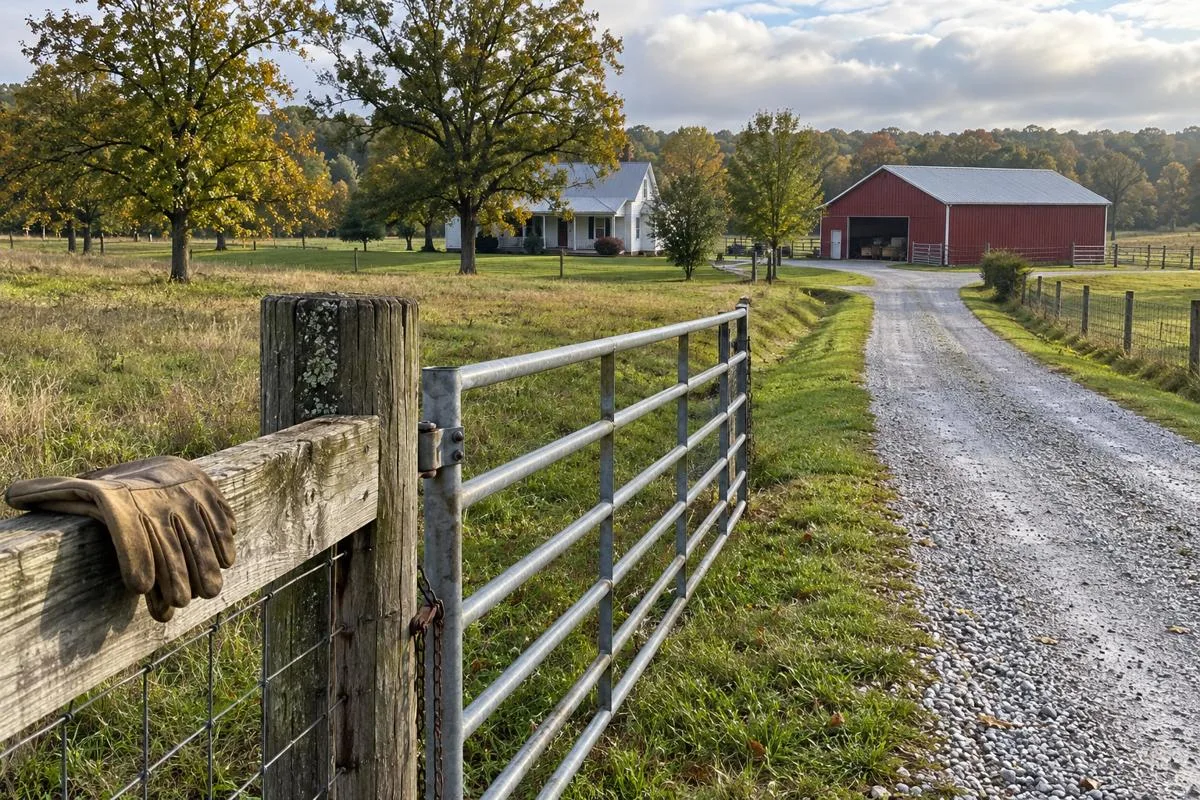
On rural properties, check livestock areas, hydrants, outbuildings, and access roads. Make sure emergency vehicles or service providers could reach the home if needed.
Keep Walkways and Entrances Safe
Clear snow from primary walking areas before it becomes packed and icy. Pay particular attention to steps, ramps, porches, and shaded spots.
Use an ice-control product that is appropriate for your surfaces, landscaping, pets, and household needs. Some products can damage concrete, plants, or animals’ paws, so read the label carefully.
Keep wet boots and melted snow from creating slippery indoor floors. A sturdy mat and a designated place for winter gear can help protect flooring and reduce falls.
Watch for Drafts and Condensation
Cold weather makes drafts easier to locate. Feel around doors, windows, attic access points, and other exterior openings.
Temporary measures may improve comfort, but damaged weatherstripping, failed caulk, or poorly fitted doors may need a more permanent repair when conditions allow.
Also watch for frequent condensation on windows. Occasional moisture can happen during cold weather, but heavy or persistent condensation may indicate excessive indoor humidity or ventilation problems.
Wipe up water before it damages window trim, drywall, or flooring. If the issue continues, a qualified professional can help determine whether humidity, ventilation, window condition, or another factor is responsible.
Look for Plumbing Leaks During a Thaw
Some plumbing damage does not become obvious until temperatures rise and frozen areas begin to thaw.
After a prolonged freeze, inspect:
cabinets beneath sinks
ceilings below bathrooms
basement and crawl-space plumbing
walls near exterior faucets
garages and utility rooms
plumbing in barns and outbuildings
Listen for running water when fixtures are off and pay attention to unexplained changes in water pressure.
If you discover a leak, shut off the water if you can do so safely and call a licensed plumber. Quick action can significantly reduce water damage.
Keep Basic Winter Supplies Accessible
Missouri weather can change quickly, so it helps to keep a few essentials easy to reach.
Consider having:
flashlights and fresh batteries
portable phone chargers
bottled water
blankets
necessary medications
a basic first-aid kit
a snow shovel
appropriate ice melt
contact information for trusted service providers
If you rely on a well, electric heat, medical equipment, or livestock water systems, think through how a power outage would affect your household and property.
Keep a Record of Anything You Notice
Winter is a good time to create a running list of items that should be addressed in spring.
Write down drafts, stains, drainage concerns, damaged exterior materials, uneven heating, or areas where ice repeatedly develops. Add photographs when they would be helpful.
That record makes it easier to prioritize projects once warmer weather returns. It can also help a contractor understand when and under what conditions a problem occurs.
Protecting Your Home Through a Missouri Winter
You do not need to spend every cold day worrying about your house. Most winter maintenance comes down to noticing changes, taking basic precautions, and knowing when to call for help.
Keep the home safely heated, protect vulnerable pipes, monitor the roof and plumbing after severe weather, and make sure alarms are working. Those steady habits can prevent a small winter concern from becoming a major spring repair.
If you are thinking about buying or selling a home in Blue Springs, Lee’s Summit, Grain Valley, Oak Grove, rural Johnson County, or the surrounding Kansas City area, I would be happy to help. You can reach out through my Contact page anytime to talk through your real estate questions.