Fall Home Maintenance Checklist for Missouri Homeowners
Fall may be the most important home maintenance season we have in Missouri.
The cooler days give us a window to prepare before freezing temperatures, ice, snow, and winter winds arrive. A few hours of preparation in September, October, or early November can prevent frozen pipes, water damage, heating problems, and unpleasant surprises later.
Whether you live in a neighborhood in Blue Springs or Lee’s Summit, a newer home in Grain Valley, or on acreage in Johnson or Lafayette County, the basic goal is the same: keep water out, protect the plumbing, and make sure the home can be heated safely.
You do not have to finish everything in one weekend. Start with the jobs affected by freezing weather, then work through the remaining items as time allows.
Clean the Gutters After the Leaves Fall
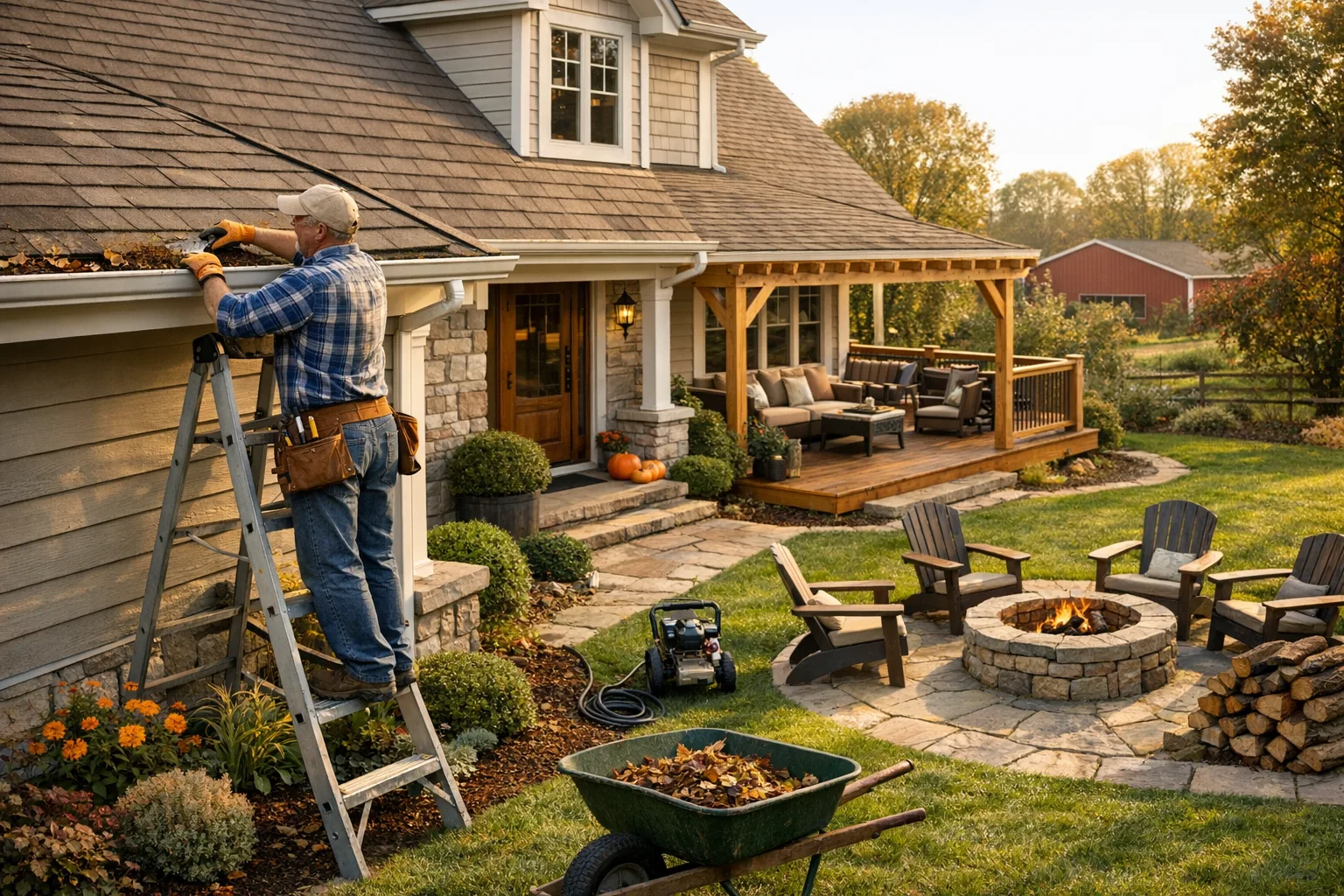
Clean gutters help move rain and melting snow away from your home. When gutters are packed with leaves, water can overflow, collect beside the foundation, or freeze inside the gutter.
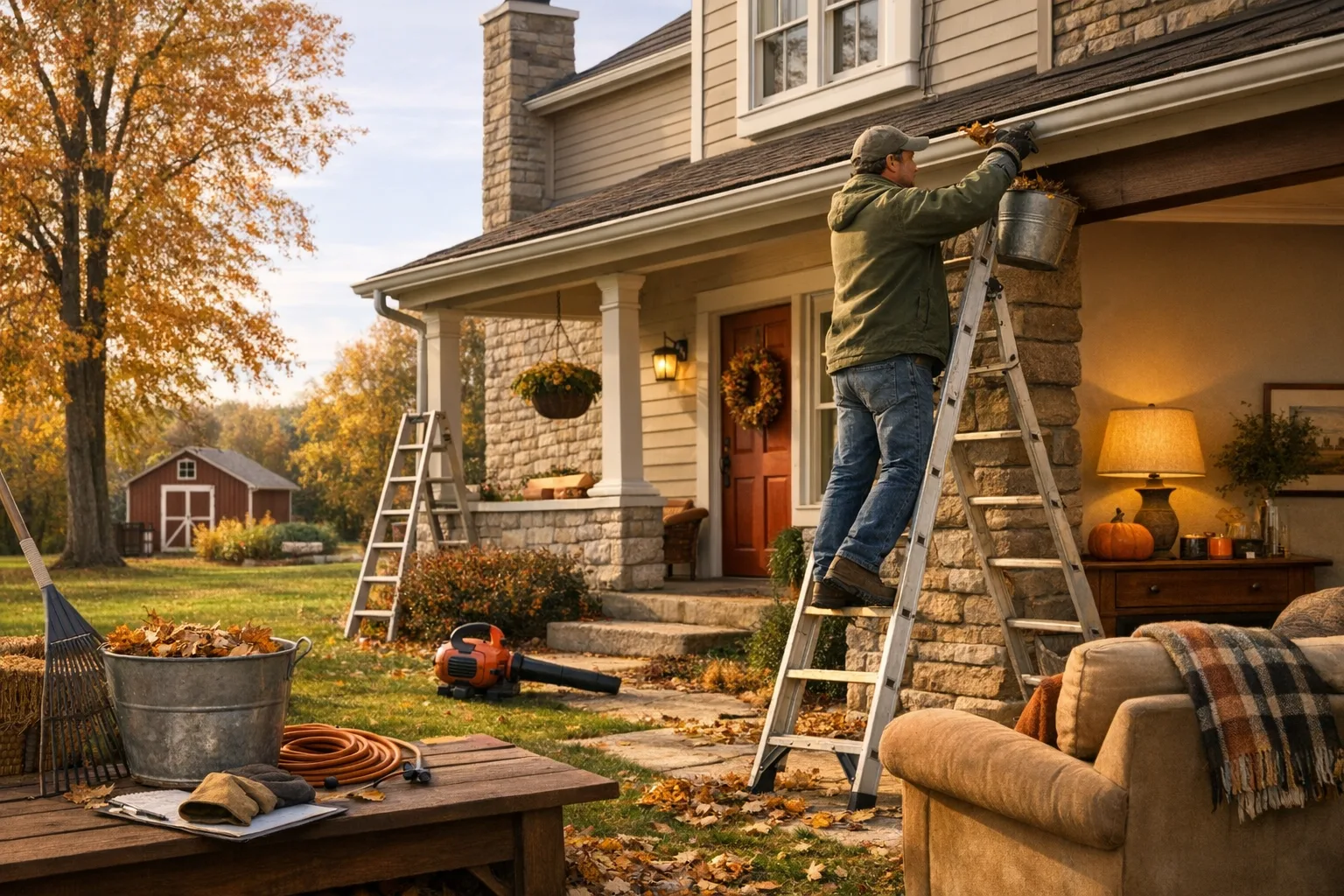
Remove leaves, sticks, and other debris. Check for sagging areas, loose fasteners, leaking joints, and downspouts that have become disconnected.
Make sure downspouts carry water away from the foundation. If you have mature trees, you may need to clean the gutters more than once before winter.
If you cannot safely reach the gutters, hire someone with the right equipment. A fall from a ladder is not worth the risk.
Inspect the Roof From the Ground
Fall is a good time to look for roof concerns before snow and ice make them harder to address.
From the ground, watch for:
loose, curled, or missing shingles
dark or uneven areas
debris collecting in roof valleys
damaged vents
flashing that appears bent or loose
tree limbs touching the roof
Flashing is the material used to help seal areas around chimneys, vents, and roof transitions. Damaged flashing can allow water into places that may not be visible right away.
If anything looks questionable, have a reputable roofing professional inspect it. Avoid walking on the roof yourself unless you are trained and properly equipped.
Prepare the Heating System
Your furnace or heating system should be ready before the first truly cold night.
Replace the air filter and schedule professional maintenance if the system is due for service. A qualified HVAC technician can inspect the equipment, check its performance, and identify safety or reliability concerns.
Inside the home:
make sure heating vents are open
move furniture and rugs away from vents
test the thermostat
replace thermostat batteries if needed
listen for unusual sounds when the system starts
If your home uses propane or heating oil, check the supply before severe weather arrives.
Have Fireplaces and Chimneys Inspected
Wood-burning fireplaces and stoves should be inspected and cleaned as recommended by a qualified chimney professional.
Creosote, debris, damaged components, and blocked flues can create serious safety concerns. Do not assume a fireplace is ready to use simply because it worked last winter.
Make sure fireplace screens, stove doors, and nearby carbon monoxide detectors are in good condition. Store ashes in a metal container with a secure lid and keep it away from combustible materials.
Protect Outdoor Plumbing
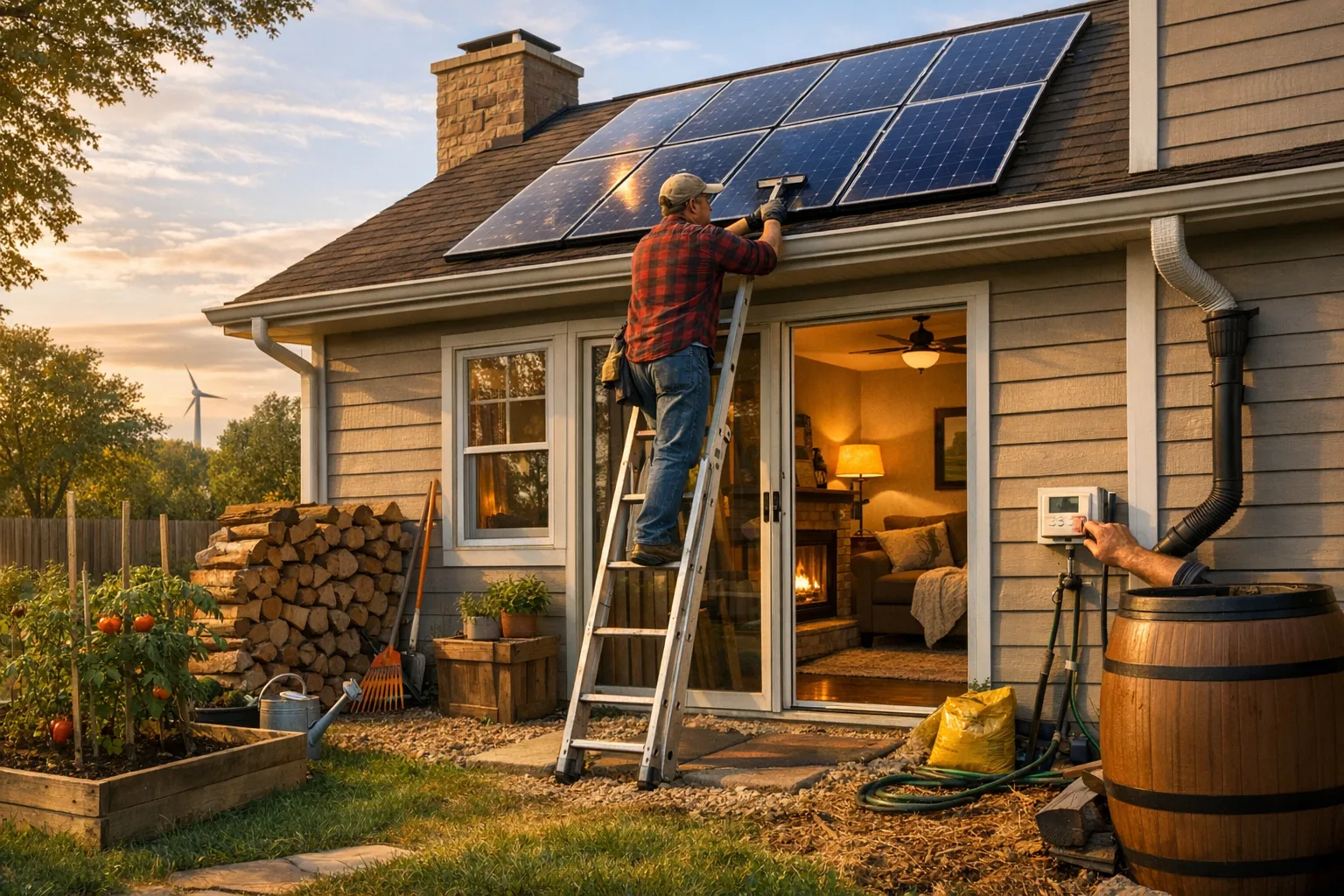
Disconnect and drain garden hoses before freezing weather. Leaving a hose connected can trap water and contribute to damage in the faucet or plumbing line.
Depending on your home’s setup, you may also need to:
shut off and drain exterior water lines
install insulated faucet covers
winterize irrigation systems
protect plumbing in barns or outbuildings
drain equipment that will not be used during winter
insulate pipes in vulnerable areas
If you are unsure how your exterior plumbing is configured, a licensed plumber can show you what needs to be done.
Seal Drafts Around Doors and Windows
Check weatherstripping around exterior doors and inspect caulk around windows. Small openings can make rooms drafty and allow moisture or pests to enter.
Look for daylight around doors, feel for cool air on windy days, and check that windows close and lock correctly.
Fall is also a good time to remove or secure window air-conditioning units. An improperly sealed unit can allow a surprising amount of cold air into the home.
Check the Attic and Insulation
If your attic is safely accessible, look for areas where insulation appears thin, compressed, or disturbed. Also check for signs of moisture, staining, pests, or daylight coming through places it should not.
Proper attic insulation and ventilation help with indoor comfort and may reduce the risk of certain winter moisture and ice problems.
Attics can be difficult and dangerous to navigate. Do not step between ceiling joists or disturb materials you cannot identify. When in doubt, have a qualified insulation, roofing, or home-performance professional evaluate the space.
Prepare Walkways, Steps, and Exterior Lighting
Shorter days and icy weather make outdoor safety especially important.
Replace burnt-out bulbs and make sure exterior fixtures illuminate entries, walkways, steps, and driveways. Confirm that handrails feel secure and repair loose or uneven steps.
Clear wet leaves from porches and paths because they can be surprisingly slippery.
Before winter, place snow shovels, pet-safe ice melt, and other cold-weather supplies somewhere easy to reach. You do not want to discover they are buried in the back of a shed after the first storm.
Give Rural Properties and Outbuildings a Fall Check
If you live on acreage, your seasonal list probably extends beyond the house.
Inspect barns, sheds, gates, fences, hydrants, outdoor outlets, and water lines. Secure loose materials that could blow around during winter winds.
Check gravel drives and drainage areas before the ground freezes. A small washout or blocked culvert can become much more difficult to address during winter weather.
Test Alarms and Review Your Emergency Supplies
Test smoke alarms and carbon monoxide detectors. Replace batteries and check the age of each device.
Make sure you have flashlights, blankets, bottled water, necessary medications, and a safe backup plan if the power goes out.
If you use a portable generator, review the operating instructions before you need it. Generators must remain outdoors and safely away from windows, doors, and vents because they produce deadly carbon monoxide.
Fall Preparation Brings Winter Peace of Mind
Fall home maintenance is not about making your house perfect. It is about taking reasonable steps to protect it before cold weather limits your options.
Prioritize gutters, heating equipment, exterior plumbing, and obvious roof or drainage concerns. The decorative projects can wait if necessary.
If you are preparing to sell, fall maintenance can also help your home show as well cared for and reduce the chance of preventable concerns appearing during an inspection. Visit my Sellers page for more information, or reach out through my Contact page if you would like to discuss your plans.