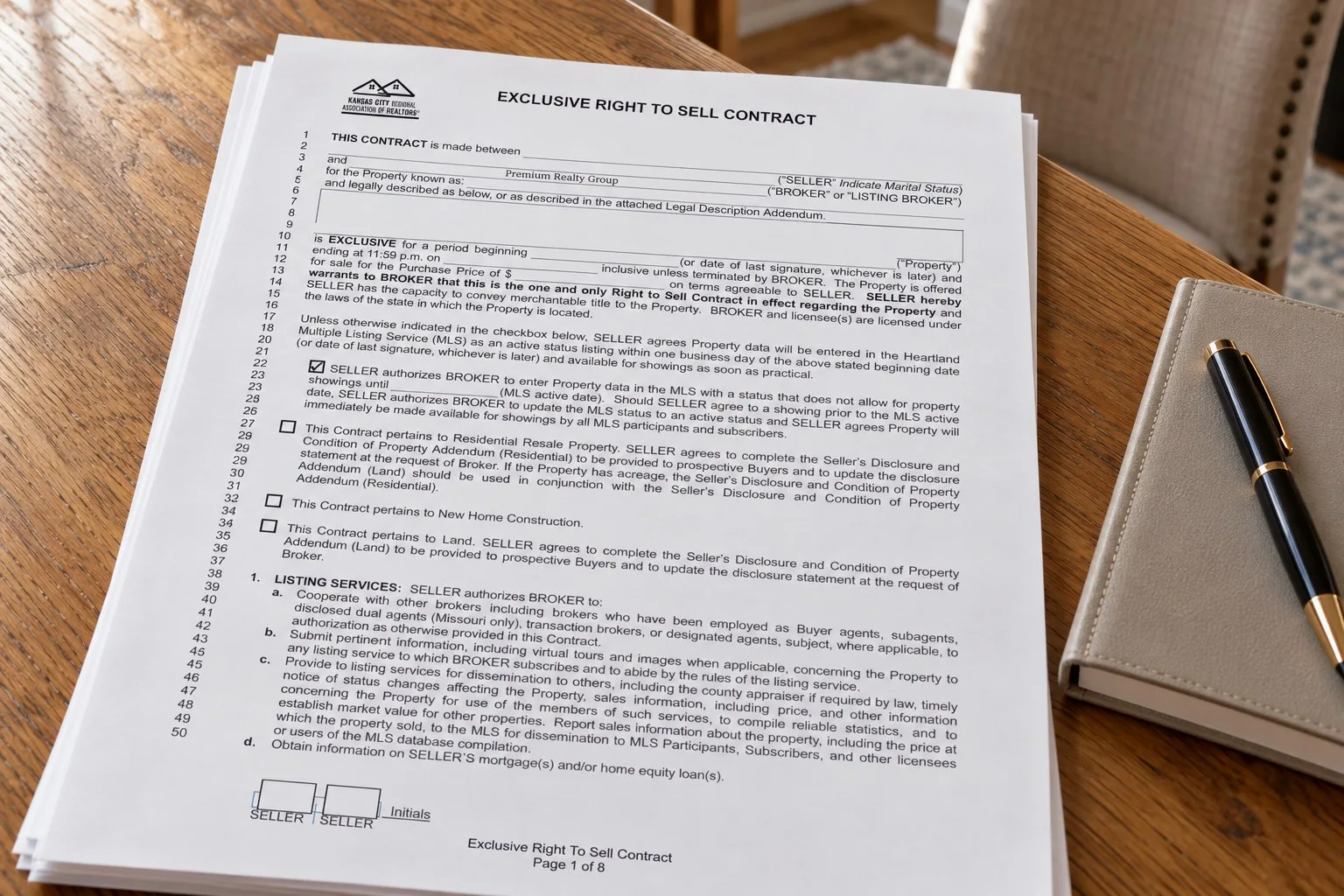

You find a house you want to see, ask to schedule a showing, and then hear that we need to talk about a buyer agency agreement first.
If your first thought is, “I just wanted to look at a house,” I understand. But before we start touring together, you should know who is representing you, what help you can expect, and how that person gets paid. That conversation belongs at the beginning.
Watch: Buyer’s Agency: What It Means and Why It Matters
Here’s my short introduction. Below, let’s talk about what to look for in the actual agreement.
What is a buyer agency agreement?
It is a contract establishing the brokerage’s role in representing you as a buyer. It sets out services, responsibilities, and compensation. It is separate from the purchase contract you might later submit on a house.
Signing it doesn’t mean you have to buy the next house we see. It does mean we’re making an agreement about working together. I want you to understand that agreement before you sign, and I’m happy to walk through it with you.
Why do we discuss it before showings?
Missouri law requires a written agreement when establishing buyer agency before providing covered brokerage services, with an exception for certain basic administrative acts. Separately, applicable MLS practice rules require a written buyer agreement before an agent working with you tours a home with you, including a live virtual tour.
For my buyers, the practical takeaway is simple: we talk about representation and review our agreement before touring together. I want you asking questions while we have time to answer them.
Visiting an open house on your own is different. Under NAR’s guidance, simply attending without an agent does not require a buyer agreement. Don’t assume the person hosting is representing you; ask who they work for.
What does having a buyer’s agent mean?
A buyer’s agent has duties to the buyer, including reasonable care, loyalty, and protection of confidential information subject to legal exceptions. Representation also includes helping you evaluate and negotiate price and terms, presenting offers, and identifying when you need another professional’s advice.
In practice, I want us looking beyond the listing photos. What does the contract ask you to do? Which deadlines matter? What questions need an inspector, lender, surveyor, or attorney? My job includes helping you recognize those questions; it does not replace those specialists.
What should you check before signing?
Who and what is covered? Confirm the brokerage, buyers, property types, and geographic area.
How long does it last? Read the beginning and ending dates and any extension language.
Is it exclusive? Understand any limits on working with another brokerage.
What services are included? Make sure the written expectations match your conversation.
How is compensation calculated? Check the amount or rate, payment triggers, and any additional fees.
How can it end? Review termination provisions and any obligations that continue afterward.
For example, if you are interested in one particular property, ask what scope of agreement is available. If your search might take several months, talk about how that timing fits the proposed term. Don’t assume every agreement has the same boundaries.
Does the seller always pay my agent?
No. Compensation is negotiable and is not set by law. A seller or listing brokerage may contribute toward your buyer brokerage’s compensation, and you may request seller payment in your offer. Neither should be assumed.
Before making an offer, ask what contribution is available and what you could owe under your agreement if it does not cover the agreed amount. A buyer agreement subject to NAR’s rules must clearly define compensation and cannot allow the brokerage to receive more than the amount or rate agreed with the buyer.
What if I already signed with someone else?
Tell me before we schedule anything. Review your current agreement and discuss your options with that brokerage. Starting another search does not automatically end an existing obligation.
If you want to change or end an agreement, follow its terms and get any agreed changes in writing. For a legal interpretation or dispute, consult an attorney.
Let’s make the first step clear
You do not need to arrive knowing contract language. You do need an opportunity to understand what you are signing. Ask me the questions you might feel awkward asking, too. How much could you owe? How long are you committing to work together? Those are fair questions, and we should talk through them.
If you’re also planning your budget, my Missouri closing costs guide explains the other expenses to plan for.
My home buying process guide explains the next steps. If you are considering a purchase in the Kansas City area, contact me and we can start with your plans.
General information, not legal advice. Your signed agreement and applicable law control. Jennifer Case, REALTOR® | Jen Case Homes | Premium Realty Group.
Sources: Missouri brokerage agreement law; Missouri buyer-agent duties; NAR buyer agreement guide; written agreement provisions; open-house guidance.