
What Happens Between Going Under Contract and Closing on a Home in Missouri?
Once your offer is accepted, the process can feel a little like a blur. There are deadlines, paperwork, inspections, lender requests, and a whole lot of waiting in between. If you’re buying a home in Blue Springs, Lee’s Summit, Grain Valley, or anywhere around the eastern Kansas City metro, it helps to know what happens next.
I walk people through this every day, and one of the biggest things I try to do is take the mystery out of it. Going under contract is a big step, but it is not the finish line. It is really the beginning of the closing process.
In this post, I’m going to walk you through what usually happens between “offer accepted” and “closing day” in Missouri, in plain English.
First, What Does “Under Contract” Mean?
When a home is "under contract," it means the buyer and seller have signed an agreement for the sale of the home. That agreement includes the price, important dates, and the terms both sides agreed to follow.
At that point, the home is not fully sold yet. There are still steps that have to happen before ownership officially changes hands.
Some of those steps may include:
Delivering earnest money
Scheduling inspections
Negotiating repairs, if needed
Moving through the loan process
Completing the title work
Getting ready for closing day
Every contract is a little different, but the general flow is usually similar.
Step 1: Earnest Money Is Delivered
One of the first things a buyer usually does after the contract is accepted is deliver earnest money.
Earnest money is a deposit that shows the seller you’re serious about buying the home. In Missouri, that money is often held by the title company or brokerage in a special account until closing. That account is sometimes called an escrow account, which simply means a safe holding account for money or documents during the transaction.
The contract will spell out how much earnest money is due and when it needs to be delivered. Missing that deadline can create problems, so this is one of those details I keep a close eye on for my clients.
Step 2: Inspections Are Scheduled
One of the biggest early steps is the inspection period.
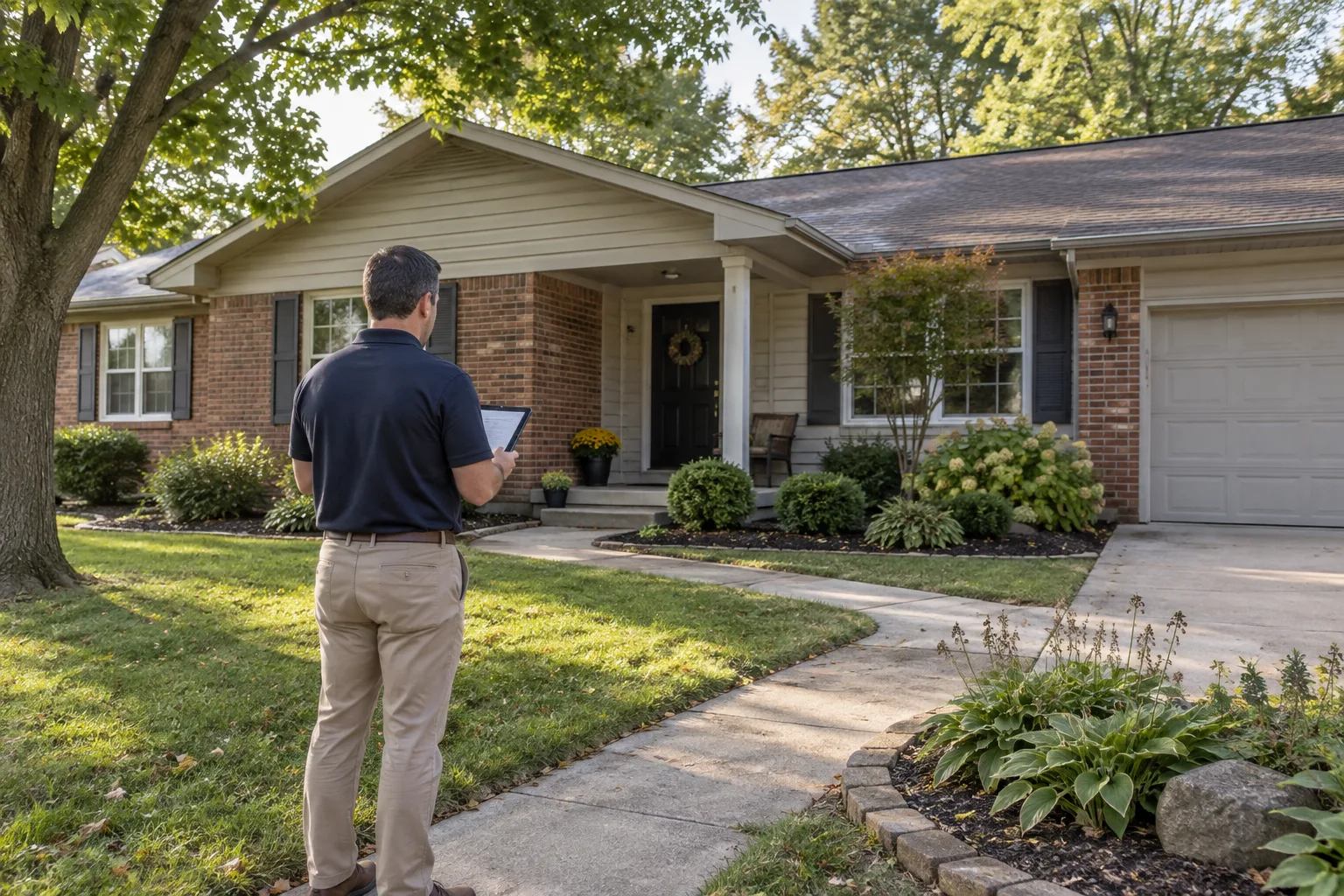
A home inspection gives the buyer a closer look at the condition of the property. The inspector is a professional who checks visible parts of the home, like the roof, plumbing, electrical, HVAC, windows, appliances, and structure, and then provides a report.
What the inspection is really for
This is not usually about finding a “perfect” house. Very few homes are perfect, especially if they are not brand new. The goal is to learn about the home’s condition so you can make an informed decision.
Depending on the property, buyers may also choose extra inspections, such as:
Radon testing
Termite or wood-destroying insect inspections
Sewer scope inspections
Septic inspections
Well testing, if the property is on well water
This can be especially important on rural properties or homes with acreage in places like Johnson County, Lafayette County, or outside the more suburban parts of Jackson County.
Step 3: Repair Requests May Be Negotiated
After inspections, the buyer may decide to ask the seller to make certain repairs or offer some other solution.
This part can make people nervous, but it is a normal part of many transactions.
A few things to keep in mind
Not every issue becomes a repair request.
Sellers are not automatically required to fix everything.
The contract terms matter.
The goal is usually to work toward a reasonable solution both sides can accept.
Sometimes the seller agrees to repairs. Sometimes the seller says no. Sometimes the two sides adjust the terms another way. It depends on the home, the market, and the original contract.
This is where having good guidance matters. I help my clients stay focused on the important issues and avoid getting sidetracked by small things that are common in homeownership.
Step 4: The Lender Keeps Working Behind the Scenes
While inspections are happening, the buyer’s loan process is moving too.
If you are getting a mortgage, your lender will be verifying your income, assets, credit, and other documents. They may ask for updated bank statements, pay stubs, or explanations for certain deposits or account activity.
This can feel repetitive, but it is very normal.
You may also hear about underwriting
Underwriting is the lender’s detailed review of your loan file. That is when they decide whether the loan meets their guidelines.
If the underwriter asks for more information, those requests are called conditions. Conditions are just items the lender needs before giving final approval.
The best thing a buyer can do during this stage is respond quickly and avoid making major financial changes without checking with their lender first. If you plan to change jobs, open new credit, finance furniture, or move large amounts of money around, talk to your lender before doing it.
Step 5: The Appraisal Is Ordered
If the buyer is using financing, the lender will usually order an appraisal.
An appraisal is an opinion of the home’s value by a licensed appraiser. The lender uses it to make sure the home supports the loan amount.
This is different from an inspection. An inspection looks at condition. An appraisal is mainly about value from the lender’s point of view.
If the appraisal comes in as expected, great. If it comes in low, there may need to be further discussion between the buyer and seller about next steps.
Step 6: Title Work Is Completed
The title company also gets to work after the contract is accepted.
Title work is the process of checking the legal history of the property to make sure the seller can transfer clear ownership to the buyer.
What they are looking for
The title company checks for things like:
Existing liens, which are legal claims against the property for unpaid debts
Ownership issues
Unreleased mortgages
Certain recording errors in the public record
The title company also prepares many of the closing documents and coordinates funds for closing.
In Missouri, title companies play a big role in getting a transaction to the finish line.
Step 7: Homeowners Insurance Gets Set Up
Before closing, the buyer will need to arrange homeowners insurance if they are financing the home. The lender will want proof that the property will be insured.
If the home is in an area that requires flood insurance, that may need to be addressed too.
It is a good idea to shop for insurance a little earlier than people think, so this step does not become a last-minute scramble.
Step 8: Final Loan Approval and Closing Preparation
As the closing date gets closer, the lender works toward final approval.
The title company, lender, agents, and both sides all start lining up the last pieces.
That may include:
Confirming the final closing date and time
Reviewing the closing figures
Making sure repair agreements are completed, if applicable
Coordinating utility transfer plans
Confirming how much money the buyer needs to bring to closing
Buyers will also receive a Closing Disclosure from the lender. This is a document that lays out the final loan terms, monthly payment estimates, and closing costs. Buyers should review it carefully and ask questions if anything looks unfamiliar.
If you want a broader look at the people and moving parts involved in a purchase, you can also visit my Buyers page.
Step 9: The Final Walk-Through Happens
Shortly before closing, the buyer usually does a final walk-through of the property.
This is not another full inspection. It is a final check to make sure:
The home is in the condition expected under the contract
Agreed-upon repairs have been completed, if any
The seller has moved out, unless the contract says otherwise
The property did not suffer unexpected damage before closing
This step helps catch surprises before papers are signed.
Step 10: Closing Day
Closing day is when the final documents are signed and the sale is completed.
In many Missouri transactions, closing takes place at the title company. The buyer signs loan documents and closing paperwork. The seller signs their side of the transfer documents. Funds are delivered and handled according to the closing instructions.
A simple note about possession
Possession means when the buyer actually gets the right to move in. A lot of people assume that happens immediately at closing, and often it does, but not always. The contract should clearly say when possession transfers.
That is one of those details I go over carefully with my clients so there are no surprises.
A Few Things That Can Slow the Process Down
Most closings have at least a few bumps along the way. That does not mean the deal is falling apart.
Common delays can include:
Inspection negotiations taking longer than expected
Appraisal issues
Lender conditions or document delays
Title issues that need to be cleared up
Scheduling conflicts for closing
This is one reason I stay in close contact with everyone involved throughout the transaction. A lot of the work between contract and closing is simply keeping things moving and making sure deadlines do not get missed.
Why This Stage Feels So Emotional
I think this part of the process catches people off guard sometimes. You have the excitement of getting under contract, but then there is a stretch where a lot is happening and not much feels final yet.
That emotional swing is normal.
If you are feeling nervous during this stage, you are not doing it wrong. You are buying a home. It is a big deal. My job is not just to open doors and write contracts. It is also to help you understand what is happening, what comes next, and when you really do not need to panic.
You Don’t Have to Figure It All Out Alone
If you’re thinking about buying a home in Blue Springs, Lee’s Summit, Independence, Grain Valley, or nearby communities, I’d be glad to help you understand the process before you ever make an offer. And if you’re already in the middle of it and just want a steady guide, that matters too.
You can learn more on my Buyers page or reach out through my Contact page. I’d love to help you take the next step with clarity and confidence.